
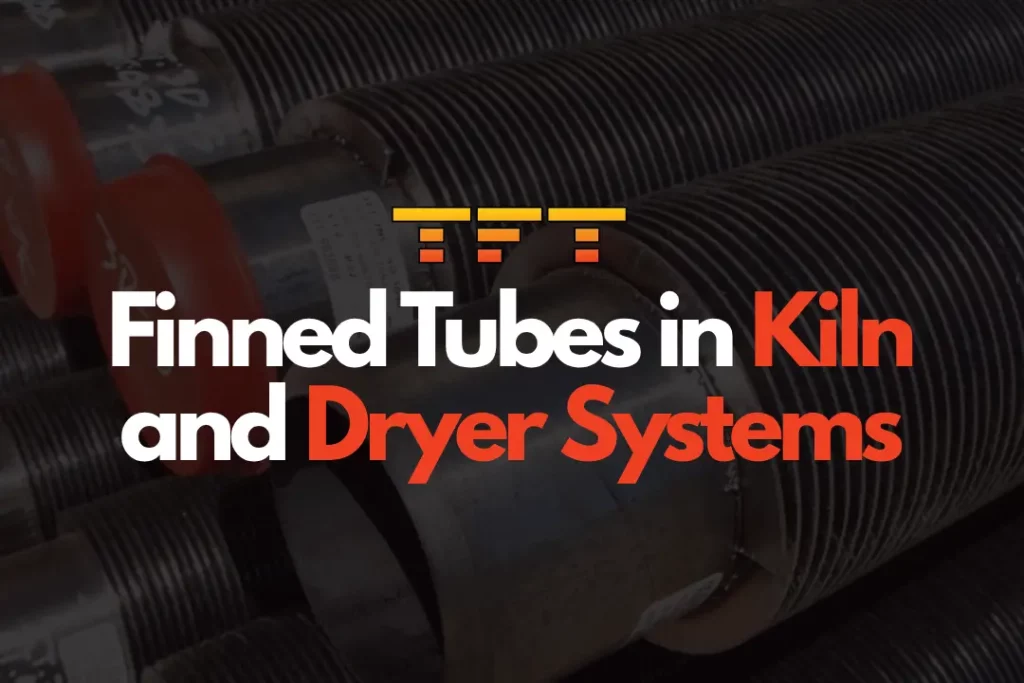
Finned Tubes in Kiln and Dryer Systems: How Industrial Drying Gets Its Heat
Drying is one of the most energy-intensive steps in industrial production. Whether the product is lumber, grain, aggregate, or a processed material, getting moisture out efficiently takes a large, steady, and well-controlled supply of heat. Behind many industrial kiln and dryer systems, the equipment quietly delivering that heat is a bank of finned tube coils. Understanding how finned tubes serve these systems shows why the right tube makes the difference between an efficient drying operation and a costly one.
How Industrial Kilns and Dryers Use Heat
A kiln or dryer works by moving heat into a chamber and using it to drive moisture out of the material inside. The heat has to be delivered evenly, held at the right temperature, and supplied continuously, often for long production runs. How that heat gets into the chamber depends on the design, but a common and efficient approach is to circulate a hot fluid, such as steam, hot oil, or hot water, through a coil and then blow air across that coil to carry the heat into the drying space.
That coil is where finned tubes come in. The performance of the whole system depends on how effectively heat moves from the fluid inside the coil into the air flowing across it, and that is exactly the problem finned tubes are built to solve.
Why Finned Tubes Are Ideal for Drying Applications
Air does not absorb heat easily. Compared to a liquid, air has a low capacity to carry heat away from a surface, which means a bare tube passing hot fluid into an airstream is inefficient. Finned tubes overcome this by adding a large amount of external surface area to the tube in the form of helically wound fins. That expanded surface gives the heat many more paths to move from the tube into the passing air, dramatically improving the transfer. Research bodies like Heat Transfer Research, Inc. have long studied how extended surfaces like fins improve heat transfer into gases, which is precisely the challenge a dryer coil faces.
For a kiln or dryer, that efficiency translates directly into results: faster drying, more even heat, lower energy use, and the ability to fit substantial heating capacity into a compact coil. It is the same reason fin tubes and heat exchangers work so well together throughout industry. When the goal is to move a large quantity of heat into moving air, finned tube coils are one of the most effective tools available.
The Demands of the Drying Environment
Kiln and dryer service is tougher on equipment than it looks. The coils often run continuously at elevated temperatures, cycling as production starts and stops, sometimes in dusty or otherwise harsh conditions. Over months and years, that environment tests the durability of the tubes and, critically, the bond between the fin and the tube.
That bond is where long-term performance is won or lost. A mechanically attached fin holds to the tube by contact pressure, and that contact loosens with repeated heating and cooling. As it loosens, resistance grows and the coil transfers less heat, so the dryer works harder for the same result. A high-frequency welded fin is fused to the tube in a true metallurgical bond that does not degrade with thermal cycling. Design and quality standards from organizations such as ASME reflect how important reliable, durable heat transfer surfaces are in demanding thermal equipment.
Built for the Long Run
This is why tube quality is an operating concern, not just a purchasing detail. A coil built with a durable fin-to-tube bond holds its efficiency over its full service life, while a marginal one slowly costs more in energy and maintenance. For more than 40 years, Tulsa Fin Tube has manufactured high-frequency welded finned tubes for kiln dryers, heat exchangers, boilers, economizers, and other demanding heat transfer applications. As the North American leader in high-frequency finning capacity, we build finned tube coils to customer specifications in carbon steel, stainless steel, nickel alloys, duplex, and other weldable materials, engineered to hold their performance in continuous service, the same standard behind our tubes for boilers and economizers.
Frequently Asked Questions
How do finned tubes work in a kiln or dryer?
Finned tubes form the heating coil in many kiln and dryer systems. A hot fluid such as steam, hot oil, or hot water flows through the tubes while air is blown across them. The fins add surface area that transfers heat from the fluid into the air, which then carries that heat into the drying chamber to remove moisture from the material.
Why are finned tubes used in drying systems instead of bare tubes?
Air absorbs heat far less efficiently than a liquid, so a bare tube transfers heat into an airstream poorly. Finned tubes add substantial external surface area, giving heat many more paths to move from the tube into the passing air. This makes drying faster, more even, and more energy efficient while keeping the coil compact.
What makes a finned tube coil last in a dryer?
The key is the bond between the fin and the tube. Mechanically attached fins loosen with repeated heating and cooling, reducing heat transfer over time. A high-frequency welded fin is metallurgically fused to the tube and holds through years of thermal cycling, which is why weld-bonded finned tubes maintain their efficiency in continuous, high-temperature drying service.
What industries use finned tube kiln and dryer systems?
Finned tube coils are used in drying and heating applications across many industries, including lumber and wood products, agriculture and grain, aggregate and asphalt production, and general industrial processing. Any operation that needs to move a large, steady supply of heat into moving air is a candidate for finned tube coils.
Power Your Drying Process With Quality Finned Tubes
The efficiency of a kiln or dryer starts with the finned tubes in its coils. If you are sourcing finned tube coils for a drying or heating application, or any finned tube heat exchanger needs, Tulsa Fin Tube has the capacity and expertise to build them to your exact specifications. Request a quote for your next project.