
What is a Finned Tube Heat Exchanger?
Efficient heat transfer sits at the heart of countless industrial systems, from power generation to HVAC and chemical processing. One of the most widely used solutions for moving heat effectively is the finned tube heat exchanger. At Tulsa Fin Tube, we design and manufacture these systems to deliver reliable performance in demanding environments, where efficiency, durability, and precision all matter. Understanding how this technology works and why it is so effective helps engineers and decision-makers choose equipment that supports long-term operational success.
Understanding the Core Concept
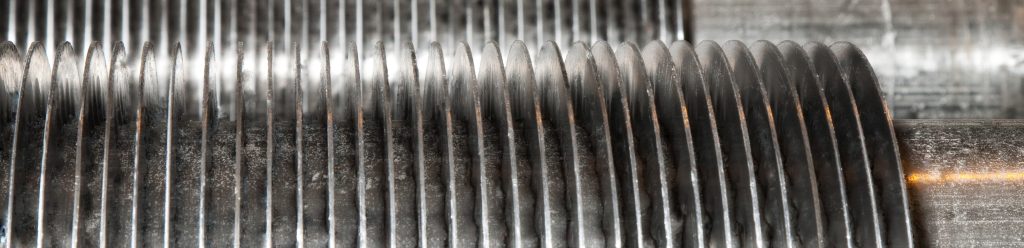
A finned tube heat exchanger is designed to transfer heat between fluids by maximizing surface contact. At its most basic level, it consists of tubes that carry a primary fluid, such as water, steam, oil, or refrigerant. These tubes are enhanced with external fins that dramatically increase the surface area exposed to air or another secondary fluid.
The added surface area allows heat to move more quickly and efficiently than it would through a smooth tube alone. This design is especially valuable in applications where one of the fluids involved has a lower heat transfer coefficient, such as air. By increasing exposure, the system compensates for that limitation and maintains strong thermal performance.
How the Design Improves Thermal Performance
Heat transfer depends on contact, temperature difference, and flow conditions. Fins play a critical role by extending the tube’s surface outward, creating more opportunities for heat exchange. As air or gas flows across the fins, heat is either absorbed or released at a faster rate.
Beyond surface area, fin geometry also influences performance. Properly designed fins promote turbulence in the surrounding fluid, disrupting stagnant boundary layers that slow heat movement. This combination of increased contact and improved airflow interaction is what allows a finned tube heat exchanger to deliver high efficiency without increasing system size or energy consumption.
Key Components That Make the System Work
Every system is engineered around a few essential components, each contributing to overall performance and reliability.
Tubes
The tubes form the backbone of the exchanger, carrying the primary heat transfer fluid. Material selection is based on operating temperature, pressure, and chemical compatibility. Carbon steel and stainless steel and specialty alloys are commonly used depending on the application. Tube dimensions and wall thickness are carefully chosen to balance strength, durability, and thermal conductivity.
Fins
Fins are attached to the exterior of the tubes and are typically made from steel. They may be solid, segmented, or helically wound, depending on airflow requirements and heat transfer goals. Fin spacing, height, and thickness are all engineered to optimize performance while minimizing pressure drop.
Structural Support and Housing
Many systems include frames, headers, or shells that guide airflow evenly across the fin surface. This ensures consistent heat transfer and protects internal components from mechanical damage or environmental exposure. Proper structural design also supports long service life under continuous operation.
Where Finned Tube Heat Exchangers Are Used
The versatility of this technology makes it a staple across multiple industries. In HVAC systems, it is commonly used in air heaters, air coolers, and rooftop units where efficient air-to-fluid heat transfer is essential. These systems help regulate indoor environments while keeping energy use under control.
In power generation, finned tube exchangers play a key role in boilers, economizers, condensers, and cooling systems. They help manage extreme temperatures and recover waste heat, improving overall plant efficiency. Refrigeration systems also rely on this design for evaporators and condensers, where performance directly affects operating costs.
Chemical and petrochemical facilities use finned tube exchangers to maintain precise process temperatures, often under corrosive or high-pressure conditions. Their ability to handle demanding environments while delivering consistent performance makes them a reliable choice for critical operations.
Advantages That Drive Widespread Use
One of the primary benefits is efficiency. The increased surface area provided by fins allows for faster heat transfer, which can reduce energy consumption and improve system responsiveness. This efficiency often translates into lower operating costs over time.
Another advantage is compact design. Because fins boost performance without increasing size, these exchangers can deliver high output in space-constrained installations. This makes them ideal for facilities where layout flexibility is limited.
Durability is also a key factor. With proper material selection and manufacturing quality, finned tube exchangers can withstand harsh conditions, including high temperatures, pressure fluctuations, and corrosive environments. When designed correctly, they provide long service life with minimal maintenance requirements.
Design Considerations That Matter
Selecting the right exchanger starts with understanding system requirements. Operating temperatures, pressure levels, fluid properties, and airflow conditions all influence design decisions. Environmental factors, such as exposure to moisture or corrosive substances, also play a role in material selection.
Fin configuration is especially important. The wrong spacing or geometry can restrict airflow or reduce efficiency. Tube layout and header design must support even fluid distribution to prevent hot spots or performance loss. Custom engineering ensures that each exchanger is matched precisely to its intended application.
Manufacturing Quality Makes the Difference
Even the best design can fall short without proper manufacturing. Precision in fin attachment, tube alignment, and material handling directly affects performance and longevity. Tight tolerances and consistent quality control help ensure reliable heat transfer and structural integrity.
At Tulsa Fin Tube, our manufacturing processes are built around these principles. Each exchanger is produced with attention to detail, ensuring it performs as expected in real-world operating conditions.
Why Tulsa Fin Tube Is a Trusted Partner
Experience matters when it comes to thermal systems. Tulsa Fin Tube has built a reputation for delivering dependable, high-performance heat exchange solutions across a wide range of industries. Our team works closely with clients to understand their operational goals and design equipment that supports efficiency, safety, and long-term reliability.
From standard configurations to custom-engineered solutions, our focus remains the same: providing equipment that performs consistently under pressure. If you’re evaluating options for your next project and want to learn how a finned tube system can support your operation, Tulsa Fin Tube is ready to help you move forward with confidence. Contact us today!
Recent Posts
- Finned Tubes in Kiln and Dryer Systems: How Industrial Drying Gets Its Heat
- What Is an HRSG? How Finned Tubes Power Heat Recovery Steam Generators
- How to Spec a Custom Finned Tube for Your Project
- Fin Density and Spacing: How to Get It Right
- What Is a Boiler Economizer? How Finned Tubes Recover Wasted Heat