
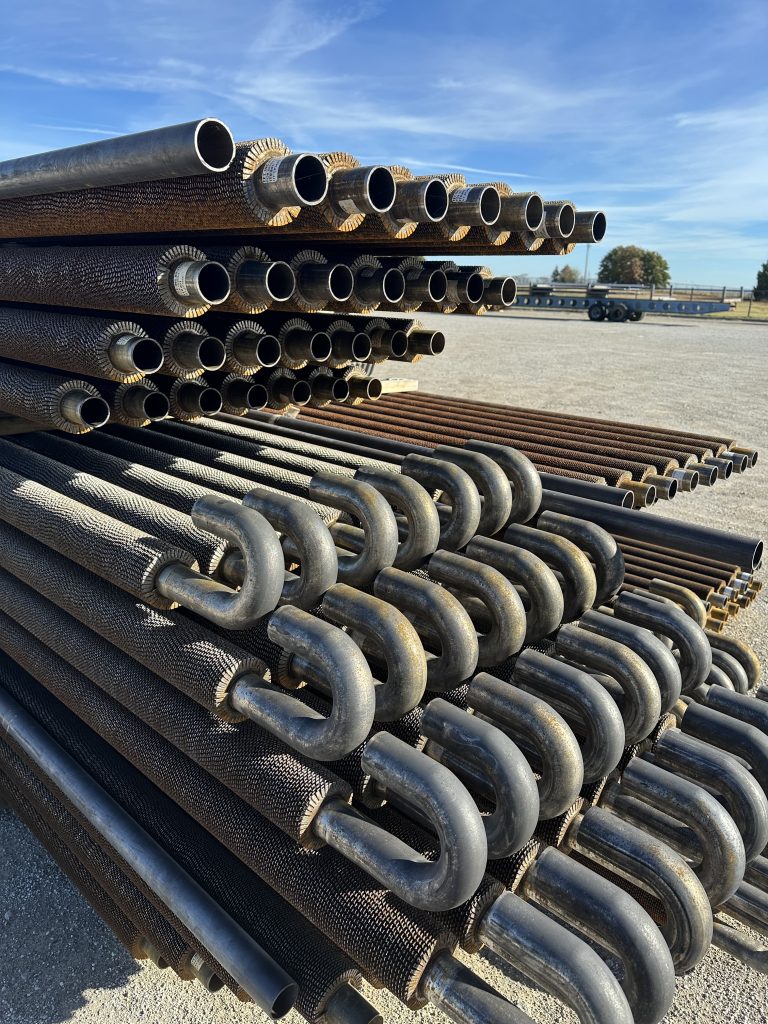
Essentials of Gas Piping: Installation and Safety Guidelines
Gas systems play a critical role in residential, commercial, and industrial operations. From heating buildings to fueling equipment and processes, reliable gas delivery depends on properly designed and installed infrastructure. Gas piping is the backbone of these systems, and when handled incorrectly, it can pose serious safety and operational risks. Understanding installation fundamentals, material selection, and safety requirements is essential for maintaining efficiency and protecting people and property.
At Tulsa Fin Tube, we work closely with industrial systems that rely on safe, dependable gas flow. While every application is different, the principles of sound gas piping design and installation remain consistent across industries.
Understanding Gas Piping Systems
Gas piping systems are engineered networks that transport natural gas or propane from the source to appliances, equipment, or processing units. These systems consist of pipes, fittings, valves, and supports designed to handle specific pressures and operating conditions. Because gas is combustible, even minor installation errors can result in leaks, fire hazards, or health risks.
Properly designed gas piping systems account for pressure requirements, flow rates, environmental exposure, and long-term durability. Installations must follow established engineering standards and local codes to ensure that gas moves safely and efficiently throughout the system. Attention to detail during installation is not optional—it is a fundamental safety requirement.
Common Materials Used in Gas Piping
Choosing the right pipe material is one of the most important decisions in any gas system. Each material offers specific advantages depending on location, pressure, and environmental exposure.
Steel Pipe
Steel is widely used in both commercial and industrial gas piping applications due to its strength and ability to handle high pressures. It performs well in demanding environments where durability is essential. Steel piping is commonly used in mechanical rooms, industrial facilities, and utility supply lines.
Proper coating and maintenance are important to protect steel from corrosion, especially in humid or chemically aggressive environments.
Polyethylene (PE) Pipe
Polyethylene pipe is commonly used for underground gas distribution. Its flexibility allows it to accommodate soil movement without cracking, making it ideal for buried installations. PE pipe is resistant to corrosion and moisture, requires fewer joints, and offers long service life when installed correctly.
It is widely used in utility and outdoor gas piping systems where underground installation is required.
Installation Best Practices That Protect Performance and Safety
Even high-quality materials can fail if installation is not handled correctly. Proper planning and execution are essential for long-term system reliability.
Planning the System Layout
Before installation begins, the piping route should be carefully planned to minimize unnecessary bends and fittings. Excessive turns can reduce pressure and increase stress on joints. The layout should also allow for accessibility, making future inspections and maintenance easier.
Thermal expansion must also be considered, particularly for metal piping exposed to temperature fluctuations.
Proper Installation Techniques
Pipes must be securely supported using approved hangers or brackets to prevent movement, vibration, and stress. All joints and connections should be assembled according to manufacturer and code specifications.
After installation, pressure testing is critical to confirm system integrity. Leak testing ensures that gas piping is safe before being placed into service.
Safety Guidelines Every Gas System Must Follow
Safety is not a one-time consideration—it is an ongoing responsibility throughout the life of the system.
Regular Inspections
Routine inspections by qualified professionals help identify corrosion, loose fittings, or wear before problems escalate. Industrial and commercial systems should follow scheduled inspection programs to maintain compliance and ensure safety.
Emergency Preparedness
Gas detection equipment, including natural gas and carbon monoxide detectors, should be installed where appropriate. All personnel or occupants should understand emergency procedures in the event of a suspected gas leak.
This includes avoiding electrical switches, ventilating the area if safe to do so, evacuating immediately, and contacting emergency services.
Compliance With Codes and Regulations
Gas piping installations are governed by strict local, state, and national codes designed to protect lives and property. These regulations specify acceptable materials, installation methods, testing procedures, and installer qualifications.
Permits are typically required before installation begins, and inspections must be completed before the system is approved for use. Compliance is not only a legal obligation but also a critical step in ensuring long-term system safety and reliability.
Frequently Asked Questions About Gas Piping
Q. Why is professional installation so important for gas piping?
Gas systems involve combustible materials and pressure. Licensed professionals understand code requirements and safety standards that reduce the risk of leaks and system failures.
Q. How often should gas piping be inspected?
Inspection frequency depends on system size and usage, but regular professional inspections are recommended to identify potential issues early.
Q. Can gas piping be installed underground?
Yes, but only with approved materials such as polyethylene pipe and proper burial methods to prevent damage.
Q. What are the signs of a gas leak?
Common signs include a sulfur-like odor, hissing sounds near pipes, or unexplained physical symptoms such as dizziness or headaches. Any suspected leak should be treated as an emergency.
Building Safer, More Reliable Gas Systems
Proper design, material selection, and installation are essential to the performance and safety of any gas system. When gas piping is installed correctly and maintained consistently, it provides dependable service while minimizing risk.
Tulsa Fin Tube understands the importance of precision, compliance, and durability in industrial systems. If you are planning a new installation or evaluating an existing gas system, working with experienced professionals is the best way to protect your operation.
Contact Tulsa Fin Tube to learn more about how expertise and quality engineering support safer, more efficient gas infrastructure.