
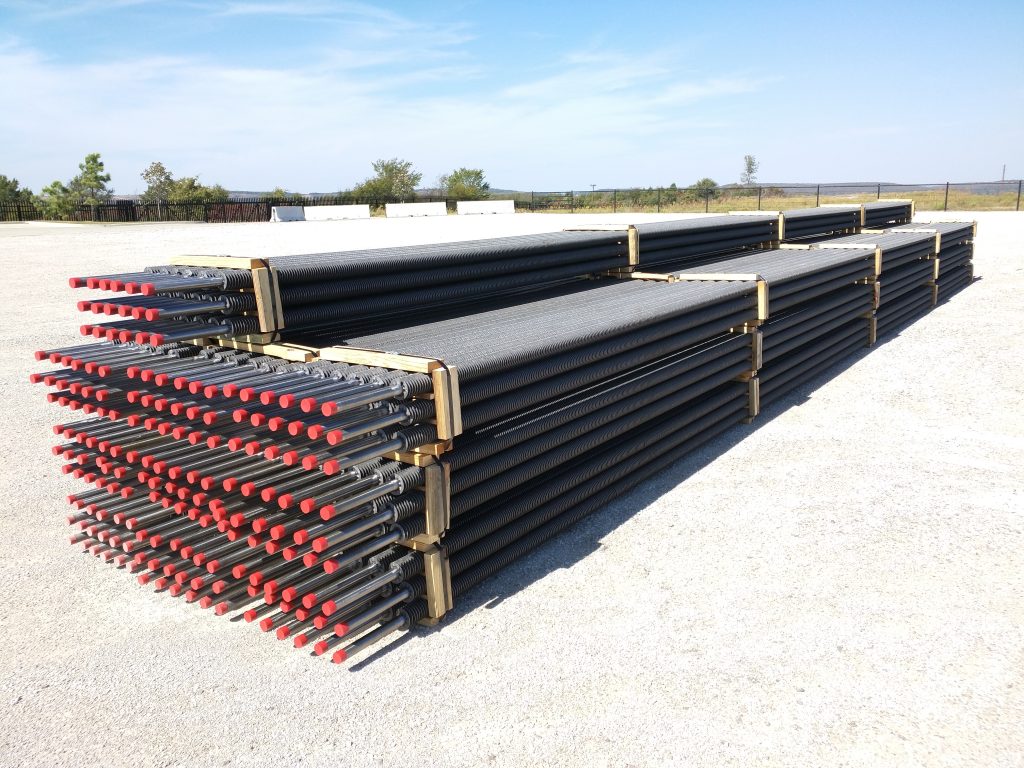
Boiler Tubes Explained: Types, Applications, Failures, and How to Choose the Right Supplier
Boiler tubes are essential to nearly every industrial heat transfer system. Whether in power generation, chemical refining, or heavy-duty HVAC systems, these specialized components keep operations running by transferring heat safely and efficiently. But not all boiler tubes are created equal—and choosing the right type, material, and supplier can make or break your system’s performance.
At Tulsa Fin Tube, we’ve been manufacturing high-performance boiler tubes for over 40 years. In this guide, we’ll walk you through everything you need to know—from boiler tube types and materials to failure causes and supplier selection—so you can make confident, informed decisions for your operation.
What Are Boiler Tubes?
Boiler tubes are closed, cylindrical components used to transfer heat in boiler systems. Their primary function is to allow heat generated from fuel combustion to transfer into water or steam—either by containing the hot gases (in fire-tube boilers) or the water itself (in water-tube boilers).
Unlike general piping, boiler tubes are specifically engineered to handle extreme temperatures, high pressure, and corrosive environments. Their performance affects everything from energy efficiency to safety and system longevity.
Types of Boiler Tubes
Boiler tubes vary in design depending on the system configuration and thermal needs. Understanding these types is key to selecting the right solution.
Fire-Tube Boiler Tubes
In this setup, hot gases pass through the tubes, which are surrounded by water. These are common in low- to medium-pressure applications, such as heating systems and small industrial plants.
Water-Tube Boiler Tubes
Here, water flows through the tubes, while combustion gases circulate outside. Water-tube systems are used in high-pressure, high-capacity systems, such as power plants and refineries.
Specialized Tube Types
-
Economizer Tubes – Preheat feedwater to improve system efficiency
-
Superheater Tubes – Raise steam temperature above its saturation point
-
Evaporator Tubes – Convert water to steam
-
Stay Tubes – Provide structural support and heat transfer
-
Fin Tubes – Increase surface area for more effective heat exchange
Each of these tubes serves a unique role in the thermal cycle of a boiler, and choosing the right one depends on your system’s layout and goals.
Common Boiler Tube Materials and Standards
Material selection plays a crucial role in boiler tube performance. Here are the most common choices:
-
Carbon Steel – Cost-effective and strong; commonly used in low- to moderate-temperature applications
-
Alloy Steel – Enhanced strength and corrosion resistance for high-temperature systems
-
Stainless Steel – Excellent corrosion resistance for steam and chemical applications
-
Nickel Alloys (e.g., Inconel) – Superior resistance to high-temperature oxidation and thermal fatigue
Boiler tubes must meet strict manufacturing standards, especially for high-pressure systems. Some of the most referenced standards include:
-
ASTM A192 – High-pressure carbon steel tubes for boilers and superheaters
-
ASTM A213 – Seamless ferritic and austenitic alloy-steel boiler tubes
-
ASME Section I & VIII – Guidelines for pressure vessel and boiler construction
For systems operating under extreme conditions, seamless construction is preferred over welded, as it eliminates potential weak points along the weld seam.
Causes of Boiler Tube Failure
Boiler tube failure is one of the most common causes of unplanned downtime in industrial systems. Here are the primary failure mechanisms:
Overheating
When scale builds up inside tubes, it insulates the metal, causing temperatures to rise and weakening the tube wall. Poor water circulation or over-firing can also lead to dangerous overheating.
Corrosion
Internal corrosion from poor water treatment and external corrosion from flue gases or harsh environments can both degrade tube walls, leading to thinning or cracking.
Erosion
Fast-moving fluids or entrained solids (like ash) can wear away tube material over time, especially in coal-fired plants.
Thermal Fatigue & Mechanical Stress
Rapid temperature changes or vibration can cause micro-cracks, especially at tube bends or weld joints.
Manufacturing Defects
Poor-quality materials, uneven wall thickness, or substandard welds can all contribute to early failure.
By understanding these risks, you can work proactively to prevent tube failure and maximize uptime.
Maintaining and Inspecting Boiler Tubes
Routine maintenance and inspection are essential for extending boiler tube life and ensuring system safety.
Preventive Maintenance Tips:
-
Regular visual inspections (both internal and external)
-
Ultrasonic thickness testing to detect thinning
-
Thermographic imaging to identify hotspots or flow issues
-
Boiler tube mapping to track condition over time
-
Chemical cleaning or high-pressure water jetting to remove scale
-
Replacing tubes showing signs of deformation, cracks, or significant wear
If a tube fails, repair options include cladding, plugging, window repair, or complete replacement. Operating with more than 10% of tubes plugged is generally not recommended for safety and efficiency reasons.
For detailed maintenance standards, consult resources like ASME Boiler and Pressure Vessel Code.
How to Choose the Right Boiler Tube Supplier
Once you understand the importance of tube quality, choosing the right boiler tubes supplier becomes mission-critical. Here’s what to look for:
1. Quality Assurance
Work with suppliers who follow strict manufacturing standards, offer seamless tube options, and provide full material traceability.
2. Broad Product Range
You want a partner who offers carbon steel, alloy, and stainless options, as well as specialty tubes like economizer and superheater varieties.
3. Customization Capabilities
Industrial systems rarely fit a template. Suppliers like Tulsa Fin Tube provide custom bending, finning, material selection, and end treatments.
4. Technical Support
Look for suppliers who act as partners—not just vendors. Our engineering team works with you from planning through installation to ensure you get the right product for your environment.
5. Delivery and Responsiveness
Reliable lead times and strong communication are key. At Tulsa Fin Tube, we pride ourselves on timely delivery and flexible support.
Why Tulsa Fin Tube Is a Trusted Source for Boiler Tubes
With over four decades of experience, Tulsa Fin Tube combines engineering precision with real-world understanding. We supply boiler tubes to some of the most demanding industries in the world, including power generation, petrochemical, marine, and high-performance HVAC.
We offer:
-
Seamless and welded boiler tubes manufactured to ASME and ASTM standards
-
A wide range of materials, diameters, and thicknesses
-
Custom fabrication and finning services
-
Rapid turnaround and dependable logistics
-
Expert technical support from a U.S.-based team
When you work with us, you’re not just buying tubes—you’re getting a solution engineered for durability, safety, and maximum thermal performance.
Let’s Talk Boiler Tubes
If you’re designing, upgrading, or maintaining a boiler system, don’t settle for off-the-shelf solutions that might fail under pressure. Let Tulsa Fin Tube help you choose or customize the perfect boiler tubes for your specific environment and performance goals.
Contact us today to request a quote or speak to an engineer. We’re here to keep your systems running stronger, longer.