
Latest Advances in Fin Tube Technology
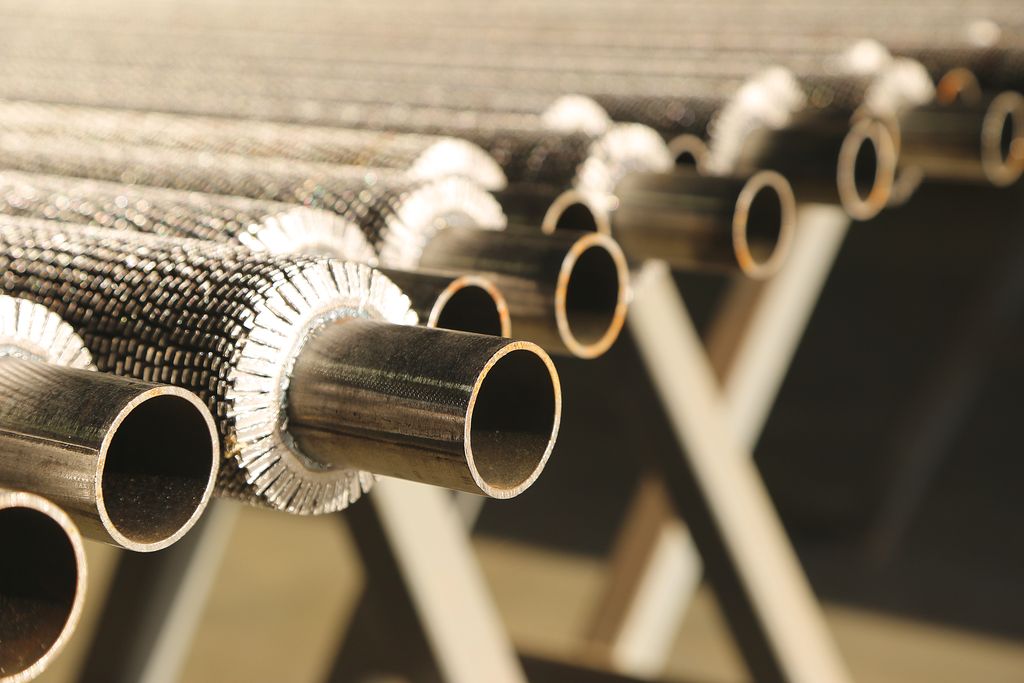
Fin tube technology continues to evolve as industries demand higher performance, improved energy efficiency, and longer system lifespans. At Tulsa Fin Tube, we stay at the front of these advancements by engineering finned tubes that enhance heat transfer, reduce operating costs, and meet the growing expectations of modern industrial applications.
Below is a closer look at the most significant innovations shaping today’s fin tube technology—and how these improvements support more efficient and reliable heat exchanger systems.
Breakthrough Improvements in Coatings and Materials
One of the biggest developments in fin tube manufacturing is the use of advanced coatings and next-generation materials that dramatically improve performance.
Nano-coated fin surfaces increase thermal conductivity and provide exceptional resistance to corrosion, fouling, and chemical breakdown. These coatings reduce scale buildup and improve long-term heat transfer efficiency, even in harsh or high-moisture environments.
Modern material combinations, such as steel tubes, also offer:
-
Better thermal cycling performance
-
Greater resistance to oxidation
-
Higher durability in corrosive atmospheres
-
Improved lifespan in high-temperature applications
These advancements allow finned tubes to operate more efficiently across power generation, petrochemical systems, HVAC units, gas compression, and other industrial processes requiring dependable thermal transfer.
Enhanced Manufacturing Techniques for Higher Reliability
Manufacturing improvements have pushed fin tube technology to new levels of consistency and performance.
Precision Welding & Automated Attachment
Automated resistance welding and high-accuracy fin attachment systems produce:
-
Uniform fin bond strength
-
Tighter tolerances
-
Reduced thermal resistance between fin and tube
-
More consistent heat transfer performance
This creates finned tubes that perform more predictably, require less maintenance, and offer a longer service life.
Better Quality Control Through Automation
Computer-guided production processes ensure every tube meets strict engineering standards. The result is fewer defects, optimized fin spacing, and improved tube roundness—key factors in maximizing heat exchanger efficiency.
Tulsa Fin Tube continues investing in internal manufacturing technology to provide customers with consistent, high-performance finned tube assemblies built for demanding industrial environments.
Higher Efficiency Through Customizable Fin Designs
A major advancement in modern fin tubes is the increased range of customization available to support unique system demands.
Today’s most effective fin tube configurations include:
Different Fin Types
-
L-finned tubes for moderate-temperature applications
-
G-finned tubes for superior bond strength
-
Embedded fins for high-temperature or high-vibration systems
-
Extruded fins for maximum corrosion protection
Custom Fin Geometry
Varying fin height, thickness, and spacing allows engineers to tailor heat transfer performance with extreme precision.
Specialty Metals and Tube Materials
Combinations such as stainless steel, carbon steel, titanium, or copper-nickel make fin tubes adaptable to diverse operating conditions.
By offering customizable fin densities, tube diameters, and material pairings, Tulsa Fin Tube helps customers achieve the exact thermal performance their systems require—without compromising durability or efficiency.
Improved Energy Efficiency and Environmental Performance
As global industries continue shifting toward sustainability and lower emissions, fin tube technology has adapted to support these goals. Modern finned tubes offer:
-
Higher heat transfer efficiency, which lowers fuel consumption
-
Reduced energy loss across heat exchanger surfaces
-
Less strain on boilers, condensers, and cooling units
-
Improved thermal performance with smaller equipment footprints
Upgraded fin tube systems help industrial facilities reduce operating costs while supporting cleaner, more energy-efficient processes—an essential advantage in today’s regulatory and economic environment.
Broader Applications and Higher System Integration
Today’s finned tubes serve more industries than ever before thanks to their ability to handle high temperatures, corrosive conditions, and demanding load requirements.
Modern applications include:
-
Boiler economizers and high-pressure steam systems
-
Air-cooled heat exchangers in refineries and petrochemical plants
-
Gas coolers and heaters in oil and gas processing
-
HVAC and refrigeration coils in commercial and industrial buildings
-
Power generation systems requiring consistent thermal performance
As manufacturing and material science continue to advance, fin tubes are becoming even more adaptable—fitting seamlessly into both legacy equipment and new, high-efficiency system designs.
Tulsa Fin Tube’s Commitment to Innovation
At Tulsa Fin Tube, we prioritize innovation, precision manufacturing, and consistent quality across every product we produce. Our engineering team continuously evaluates advancements in fin tube technology, coatings, materials, and manufacturing processes so we can deliver the strongest, most efficient, and most reliable finned tubes on the market.
Whether you’re upgrading an existing heat exchanger or designing a new system, our customizable solutions provide the performance and durability your operation demands.
Explore More About Fin Tube Technology
To learn more about modern fin tube engineering, visit our Finning page or contact Tulsa Fin Tube for custom solutions designed for your exact application.